
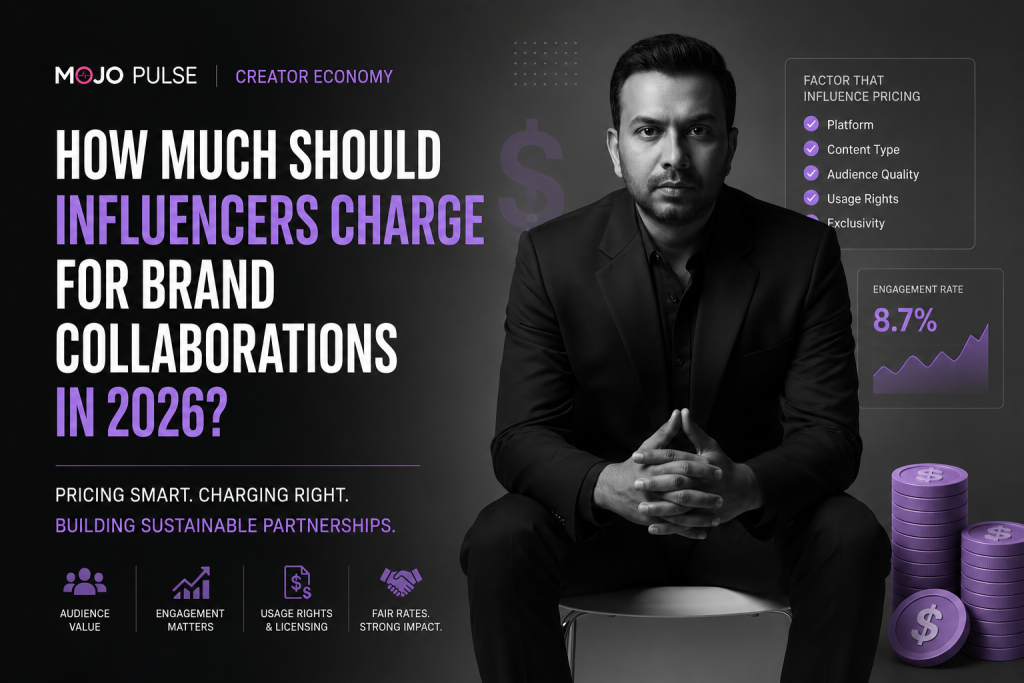
One of the most common questions in the creator economy is simple: “How much should I charge for a brand collaboration?”
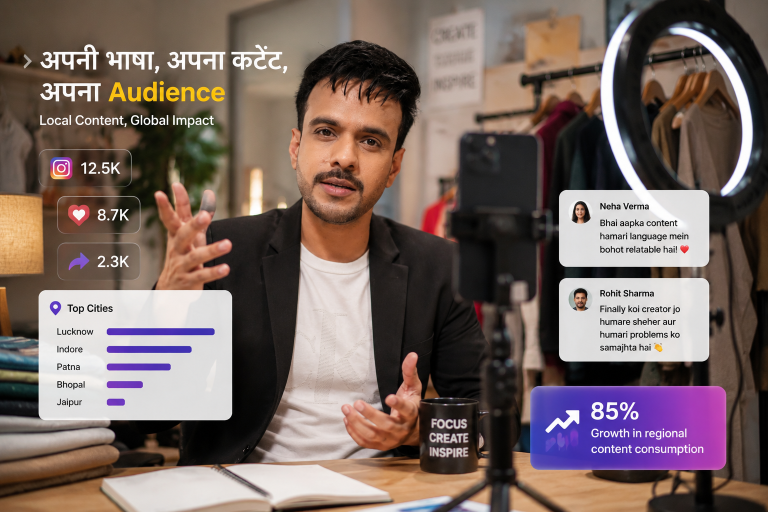
As influencer marketing continues to mature, brands are investing more heavily in creator partnerships, while creators are becoming increasingly aware of the value they bring to campaigns. Yet despite the industry’s rapid growth, pricing remains one of the most misunderstood aspects of influencer marketing.
In 2026, determining the right rate involves much more than follower count. Engagement, audience quality, content style, usage rights, exclusivity, and campaign objectives all play an important role.
The End of Follower-Based Pricing
For years, influencer pricing was largely based on the number of followers a creator had accumulated.
Today, brands are looking beyond vanity metrics.
A creator with 20,000 highly engaged followers can often outperform a creator with 200,000 passive followers. As a result, marketers are placing greater emphasis on:
- Engagement rate
- Audience demographics
- Content quality
- Niche relevance
- Conversion potential
- Brand fit
The result is a more performance-driven approach to influencer pricing.
Typical Influencer Categories
While rates vary significantly depending on niche and geography, creators are generally grouped into the following categories:
Nano Influencers
1,000 – 10,000 followers
Best suited for:
- Local businesses
- Community campaigns
- Product seeding
Micro Influencers
10,000 – 100,000 followers
Best suited for:
- Regional campaigns
- Niche audiences
- High engagement marketing
Mid-Tier Influencers
100,000 – 500,000 followers
Best suited for:
- Brand awareness
- Product launches
- National campaigns
Macro Influencers
500,000+ followers
Best suited for:
- Large-scale brand campaigns
- National visibility
- Major product launches
Factors That Influence Pricing
Platform
Different platforms command different rates.
For example:
- Instagram Reels typically command higher fees than Stories.
- YouTube integrations often cost more due to production effort.
- LinkedIn creators may charge premium rates for B2B audiences.
Content Type
A creator may charge different rates for:
- Reels
- Static posts
- Stories
- YouTube videos
- Blog articles
- Event appearances
The amount of production involved directly impacts pricing.
Usage Rights
One of the most overlooked aspects of influencer contracts is content usage.
If a brand wants to use creator content for:
- Paid advertising
- Website promotion
- Digital marketing campaigns
- Social media advertising
additional licensing fees should apply.
Creators should never assume usage rights are included by default.
Exclusivity
Brands sometimes request that creators avoid working with competitors for a specific period.
This exclusivity limits future earning opportunities and should be compensated appropriately.
Why Engagement Matters More Than Reach
Engagement has become one of the most important metrics in influencer marketing.
Brands increasingly evaluate:
- Likes
- Comments
- Shares
- Saves
- Link clicks
- Watch time
A highly engaged creator often delivers stronger campaign performance than a larger account with low audience interaction.
Common Pricing Mistakes Creators Make
Undervaluing Their Work
Many creators focus only on the time required to create content and fail to consider the value of their audience, influence, and expertise.
Ignoring Usage Rights
Allowing brands unlimited content usage without additional compensation can significantly reduce future earning potential.
Accepting Every Collaboration
Not every brand partnership is beneficial.
Working with products or services that do not align with a creator’s audience can damage trust and credibility.
Failing to Use Contracts
Clear agreements protect both creators and brands by establishing expectations regarding deliverables, timelines, payments, and content usage.
What Brands Should Consider
Successful influencer marketing campaigns focus on quality rather than quantity.
Brands should evaluate:
- Audience alignment
- Content quality
- Creator reputation
- Engagement rates
- Campaign objectives
The best partnerships are built on long-term relationships rather than one-off transactions.
The Future of Influencer Pricing
As the creator economy continues to evolve, pricing models are becoming increasingly sophisticated.
Performance-based partnerships, affiliate structures, long-term ambassador programs, and content licensing agreements are expected to become more common.
Creators are no longer simply content producers—they are media businesses with audiences, influence, and intellectual property.
Final Thoughts
There is no universal formula for influencer pricing in 2026.
The right rate depends on audience quality, engagement, niche relevance, content complexity, and campaign objectives.
For creators, understanding their value is essential to building a sustainable business. For brands, investing in the right creators can deliver exceptional returns and stronger connections with consumers.
As influencer marketing continues to grow, transparent pricing and mutually beneficial partnerships will become increasingly important for both sides of the industry.

Reader discussion
Join the conversation respectfully. Your email address will not be published. Comments are reviewed before appearing.